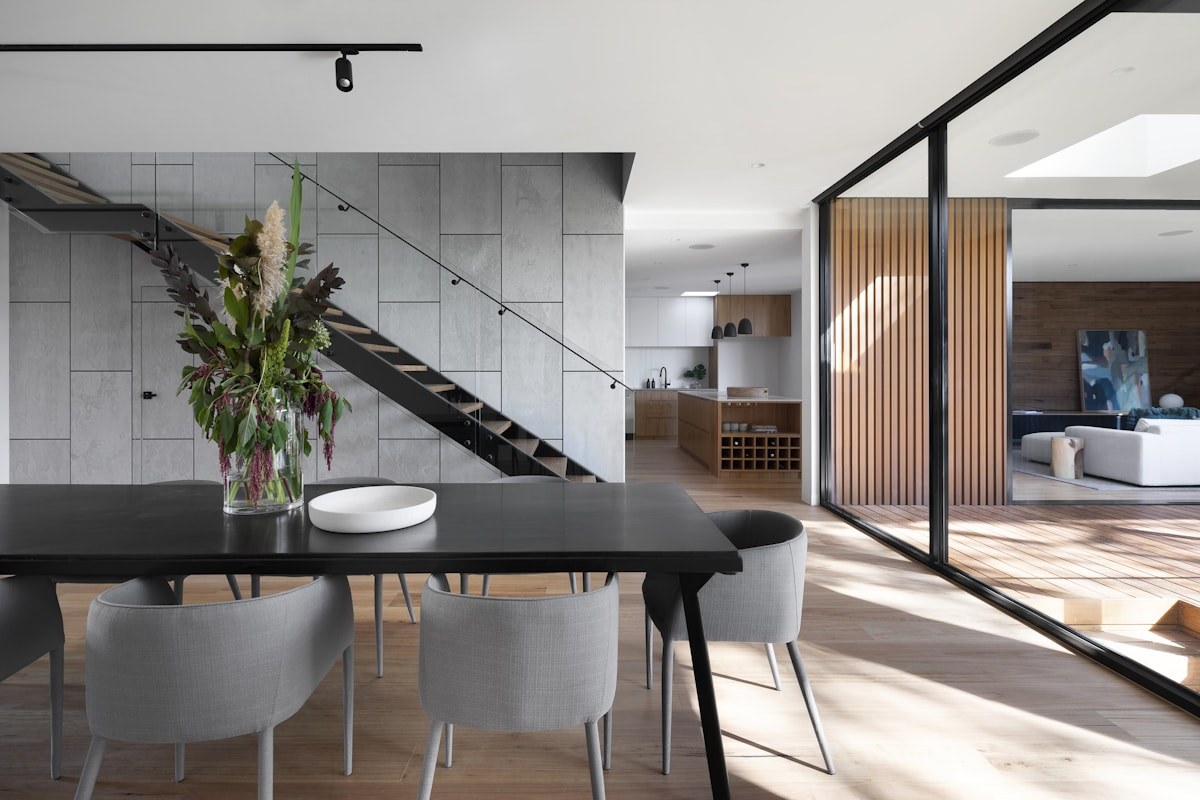
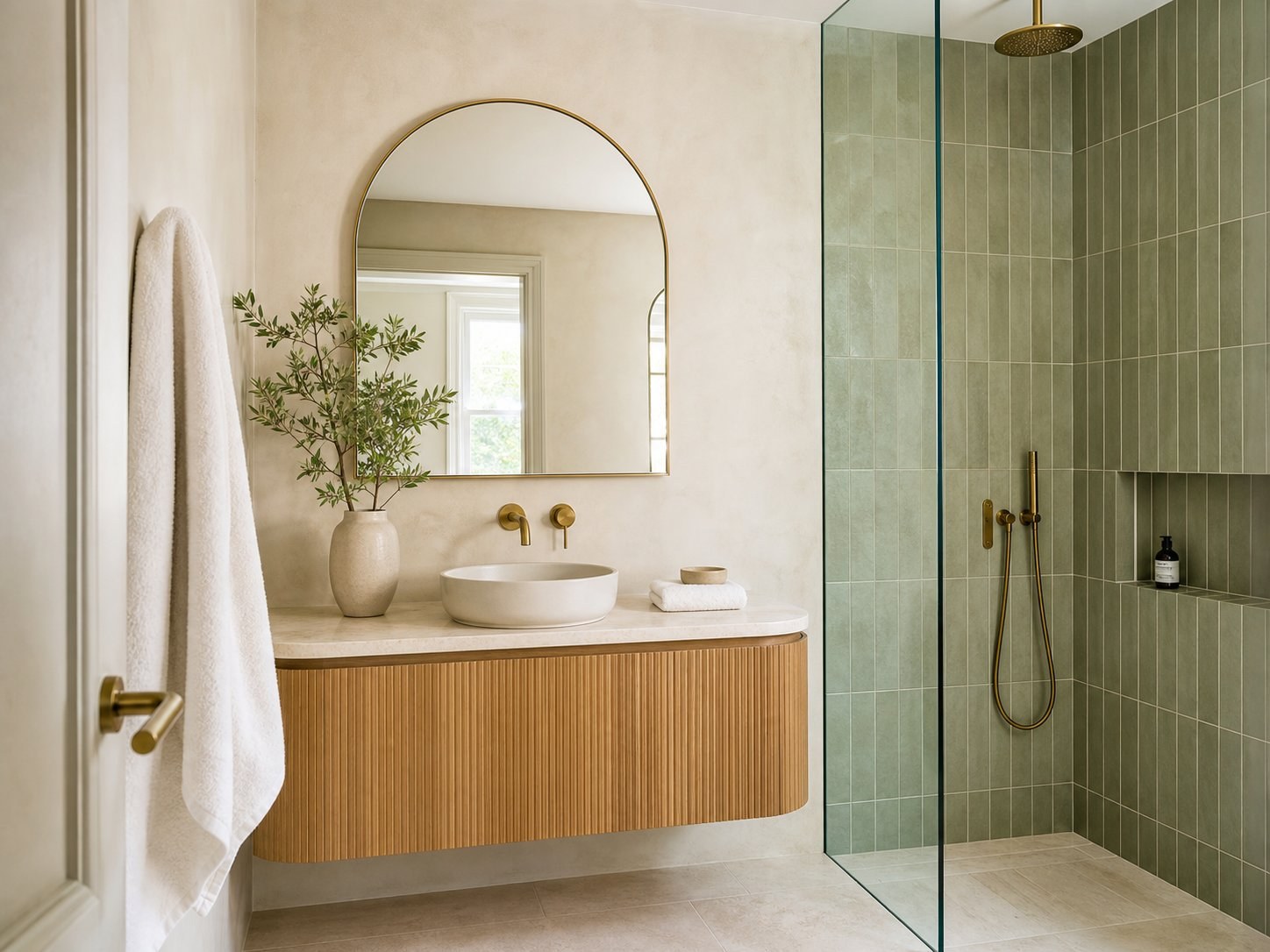
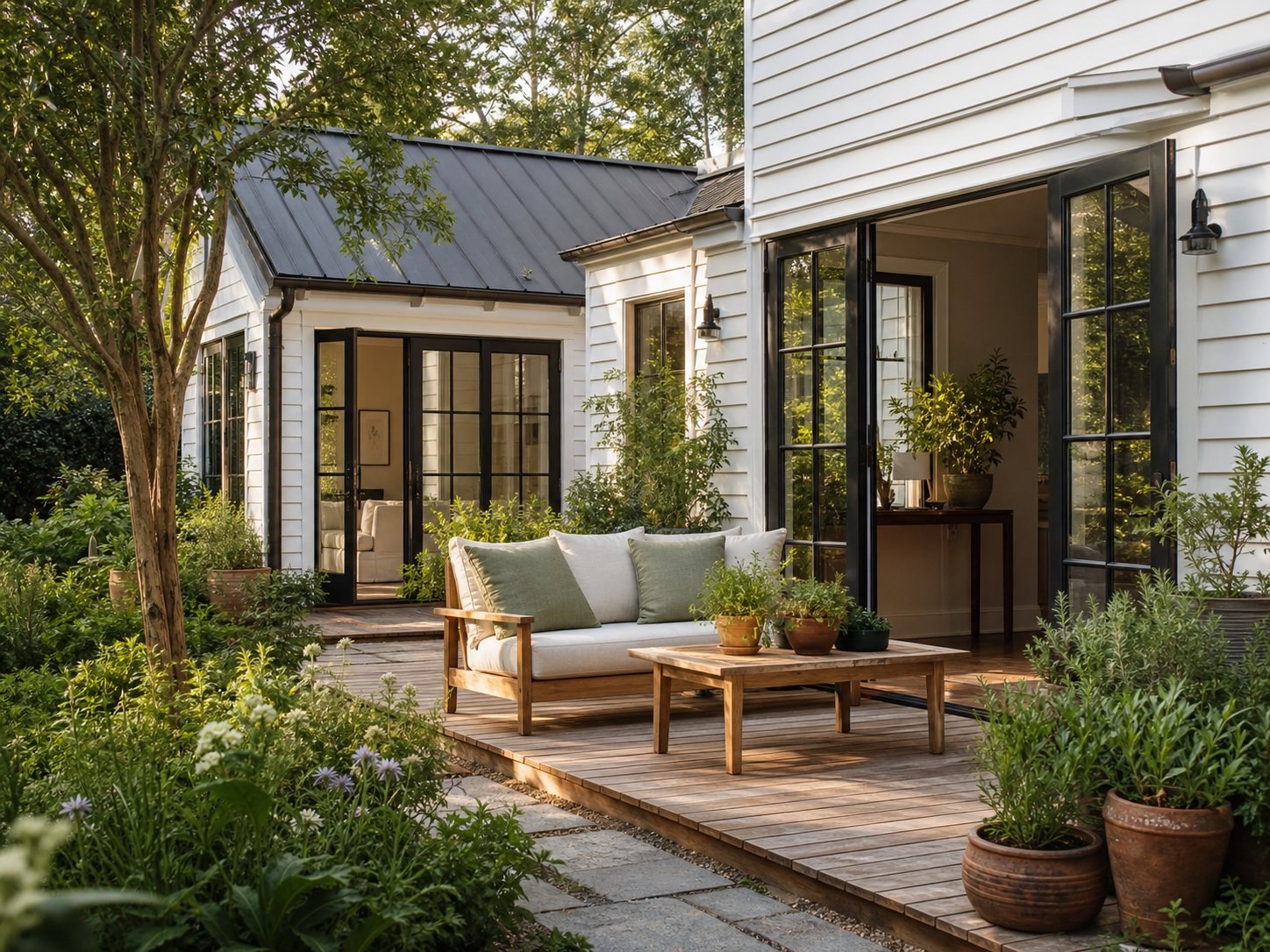
Natural textures that make a house feel like home
A little wood, a softer texture, and a considered palette can change the feeling of a room.
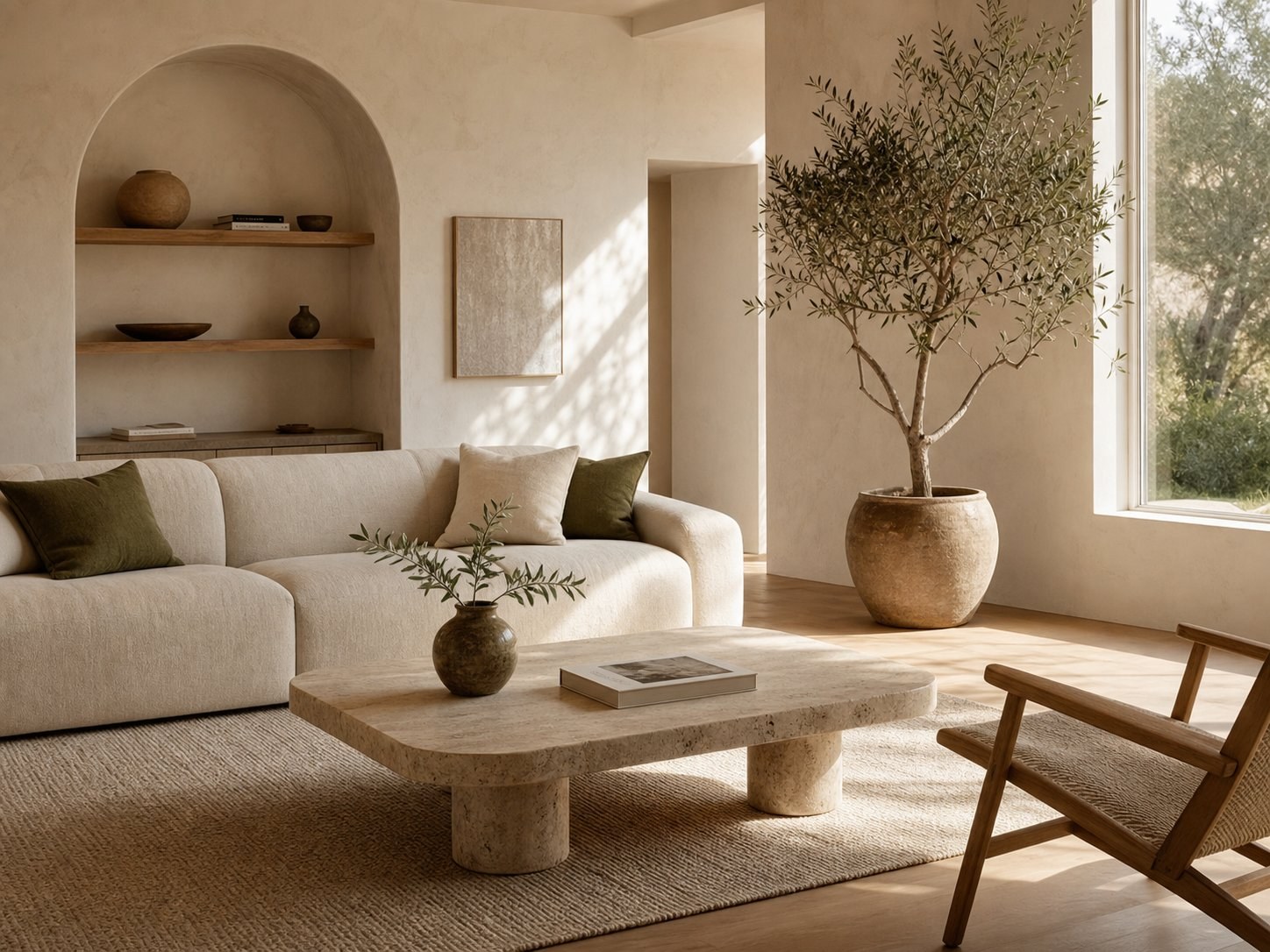
Warmth in a room is not only about color. It comes from texture, light, proportions, and the things that feel good to use. Natural materials can help a room feel grounded, but a thoughtful interior is less about following a look and more about choosing what belongs in your life.
Choose an anchor, not a shopping list
Start with a piece or surface you already love. It might be the grain of a wood floor, an inherited table, or the weave of a favorite chair. Let that element suggest the room’s supporting tones rather than choosing every finish independently.
A connected palette does not have to be entirely beige. Olive, muted clay, warm white, charcoal, and deeper wood tones can all sit comfortably with natural materials. The aim is a clear relationship between colors, not a perfect match.
Let textures do different jobs
A room can feel flat when every surface is equally smooth, shiny, or heavy. Try balancing a quiet base with more tactile details: linen against a painted wall, woven fibers beside a smooth table, or wood alongside a matte ceramic piece.
Keep the scale in mind. A strongly patterned floor may need calmer fabrics, while a simple floor can leave room for richer textures in a rug or curtain. Leave some surfaces clear so the materials you choose have space to be noticed.
- Use larger items to establish the room’s overall mood.
- Bring texture into things you touch, such as upholstery and cushions.
- Repeat a material thoughtfully rather than adding an unrelated finish everywhere.
See every sample in your own light
A finish that looks warm in a store may look quite different beside your windows. Put paint, fabric, and flooring samples together in the room and look at them as the light changes. View vertical samples upright and floor samples flat when possible.
Artificial light matters too. Ask about light color and how fixtures will serve reading, cooking, or relaxing. A layered lighting plan can be more comfortable than a single bright source overhead.
Make maintenance part of the aesthetic
Natural materials vary in their needs. Some stones can stain or etch, wood finishes require appropriate care, and loosely woven fabrics may not suit every household. Ask for the manufacturer’s care guidance and consider whether you will realistically follow it.
A beautiful room should be usable. If a finish makes you worry about every spill or touch, another material may be a better fit. Durability and ease of care are design considerations, not compromises to apologize for.
Finish by editing, not filling
Try rearranging what you own before buying more. Clear the room’s walkways, group a few meaningful objects, and give furniture a little breathing space where the layout allows. A plant suited to the available light can bring life without adding visual clutter.
For a more complete refresh, explore our home decor and interior ideas and flooring upgrade guidance. Start with a room that matters to you and build the feeling gradually.
A thoughtful takeaway
Choose a connected palette, mix textures with intention, test samples at home, and let everyday maintenance guide the final decision.
This article offers general planning information, not a site-specific assessment or professional advice. Seek appropriately qualified guidance for your home and circumstances.