A calmer way to plan your home renovation
From the first idea to a clearer project brief, give your renovation a thoughtful place to begin.
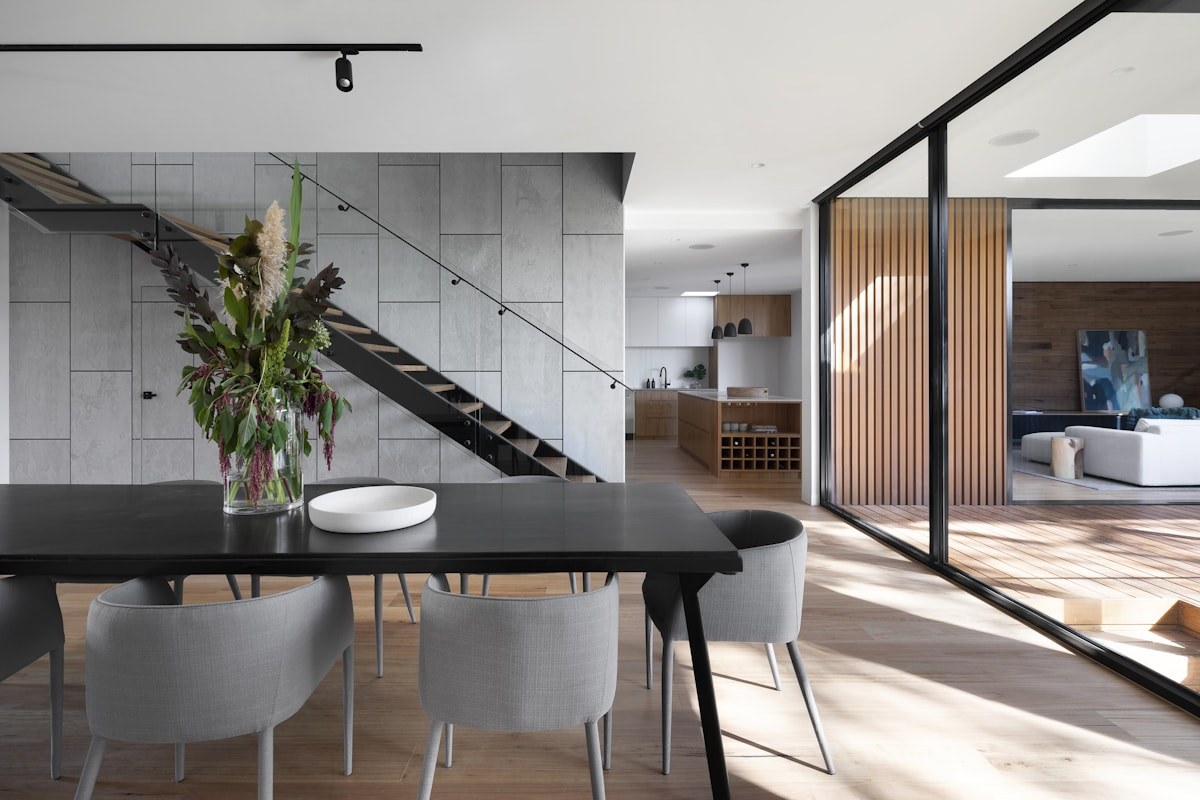
A home renovation does not need to begin with a wall coming down. It can begin with a notebook, a walk through your rooms, and an honest look at what would make daily life easier. A clear brief gives your ideas direction before you commit to products or a contractor.
Start with the life you want the space to support
Write down the things that regularly feel inconvenient. Perhaps the entrance has nowhere for shoes, a room becomes a walkway rather than a place to sit, or the bathroom lacks useful storage. Describe the problem before describing the solution.
Then make a separate list of the things that already work. A favorite window, a comfortable chair, or a well-positioned sink can be the anchor for an improvement rather than something to replace. This keeps the project focused on genuine benefit instead of change for its own sake.
Separate essentials from finishing touches
Sort your ideas into essential repairs, functional improvements, and optional finishes. Water damage, unsafe conditions, and issues that could affect new work should be assessed before decorative changes. A fresh surface is not a substitute for understanding what is underneath it.
- Must address: conditions that affect safety, integrity, or basic use.
- Would improve daily life: layout, storage, access, light, and comfort.
- Could come later: styling, accessories, and upgrades that do not need to happen alongside the main work.
You can revisit the list as the scope develops. Its job is to make trade-offs clearer, not to freeze every decision at the beginning.
Build a budget around the complete scope
A project budget needs to account for preparation as well as the final finish. Ask about design or assessment fees, permissions where required, removal, disposal, delivery, installation, and making good the surrounding area. Set aside a contingency appropriate to the project and the uncertainty involved.
When comparing proposals, check whether they include the same work. An estimate that leaves out substrate repair, finishing, or waste removal may not be directly comparable with a more complete proposal. Ask how changes and unexpected conditions will be approved and priced.
Put decisions in a sensible order
Some choices affect everything that comes after them. Structural work, services, waterproofing, and surface preparation generally need to be resolved before final finishes. Discuss sequencing with the people responsible for the work rather than relying on a visual checklist alone.
Consider how the household will function during disruption. Access, dust protection, pets, deliveries, storage, and the temporary loss of a bathroom or room deserve a place in the plan. Product availability and required inspections may also affect the schedule.
Create a brief you can actually use
Bring your notes together in a short document: the space, the problems to solve, what you want to keep, your priorities, your budget boundaries, and any timing constraints. Add basic dimensions and a few images, with a sentence explaining what you like in each.
Your brief does not need to look like a design presentation. It needs to help someone understand what matters to you. Explore our home renovation services to organize your ideas, or share your project when you are ready for the next conversation.
A thoughtful takeaway
Start with the problem, preserve what works, and compare complete written scopes. Thoughtful preparation makes it easier to choose changes that are genuinely useful.
This article offers general planning information, not a site-specific assessment or professional advice. Seek appropriately qualified guidance for your home and circumstances.