Small outdoor changes, a more inviting garden
Make room for a quiet coffee, a greener outlook, and a little more life outside.
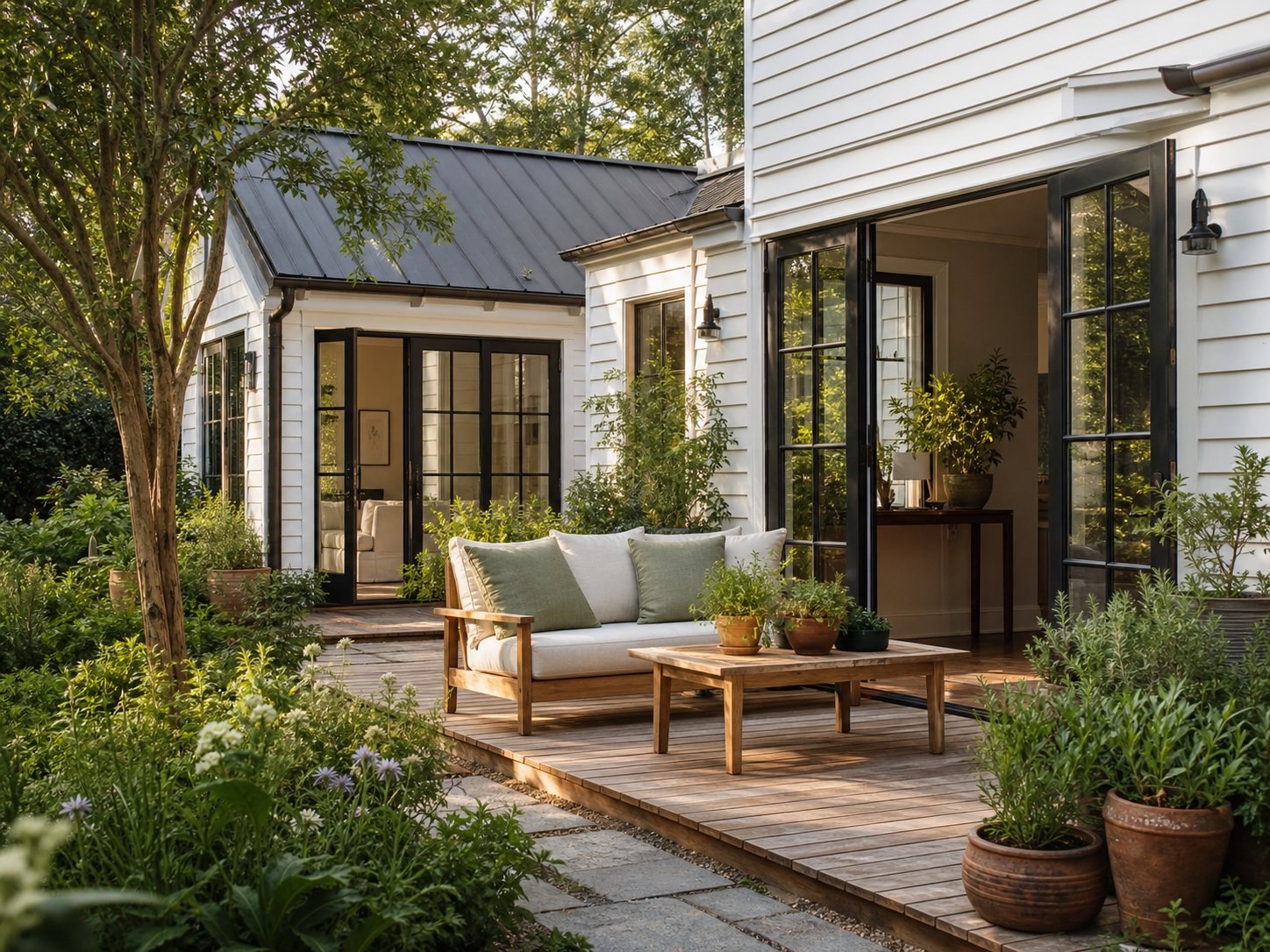
A more welcoming garden does not have to begin with a complete redesign. Start by understanding the space you have and the moments you want to enjoy there. A comfortable place to sit, a clearer route through the planting, or a more useful connection to the house can make an outdoor area feel newly inviting.
Spend time outside before changing it
Notice where sunlight falls, where wind makes it uncomfortable, and what happens after rain. Look at the view from inside the house as well as from the garden. These observations can be more useful than choosing furniture from a picture.
List practical concerns, such as a slippery step, a difficult path, or planting that has outgrown its position. Address drainage and safety questions with appropriate professional guidance before investing in finishes that could be affected later.
Give a small area a clear purpose
Rather than trying to fit every outdoor activity into the space, choose the one you most want to use. A quiet seat near the house, a table for a meal, or a space for tending plants each needs different proportions and access.
Measure the furniture and allow for moving around it. Consider where cushions or tools will be stored and whether the surface is suitable for the intended use. A modest area that works comfortably can be more enjoyable than a crowded arrangement.
Choose planting for the conditions
Look beyond the size and appearance of a plant in its pot. Check mature dimensions, light needs, water requirements, and suitability for the exposure. Consider how planting affects paths, windows, drains, and access to the building.
Containers can make a useful starting point, but they still need appropriate drainage, watering, and care. Ask a knowledgeable nursery or landscape professional for advice suited to the actual conditions rather than copying a planting list from an unrelated setting.
Let materials connect the house and garden
A limited palette can help the outdoor space feel considered. Repeat a wood tone, a muted color, or a simple finish from the house where it is suitable for outdoor use. Texture and planting can add interest without introducing many competing materials.
Consider durability and maintenance before appearance alone. Sun, moisture, cleaning, and foot traffic will affect outdoor products differently from indoor ones. Follow the manufacturer’s guidance and ask about safe installation.
Leave room for the garden to grow
Start with the practical foundation and the part of the garden you will use most often. Live with the changes before adding more. Plants mature, routines shift, and a little unfilled space can give you flexibility.
Explore our home exterior and garden renovation ideas for a fuller planning checklist. If your project includes new lighting, doors, or glazing, consider those alongside home security and window improvements.
A thoughtful takeaway
Observe first, give the space a useful purpose, and choose planting and materials for the actual conditions. A garden should be inviting to use and realistic to maintain.
This article offers general planning information, not a site-specific assessment or professional advice. Seek appropriately qualified guidance for your home and circumstances.