Before you go solar, start with your roof
Bring your roof, your energy habits, and your longer-term plans into the same conversation.
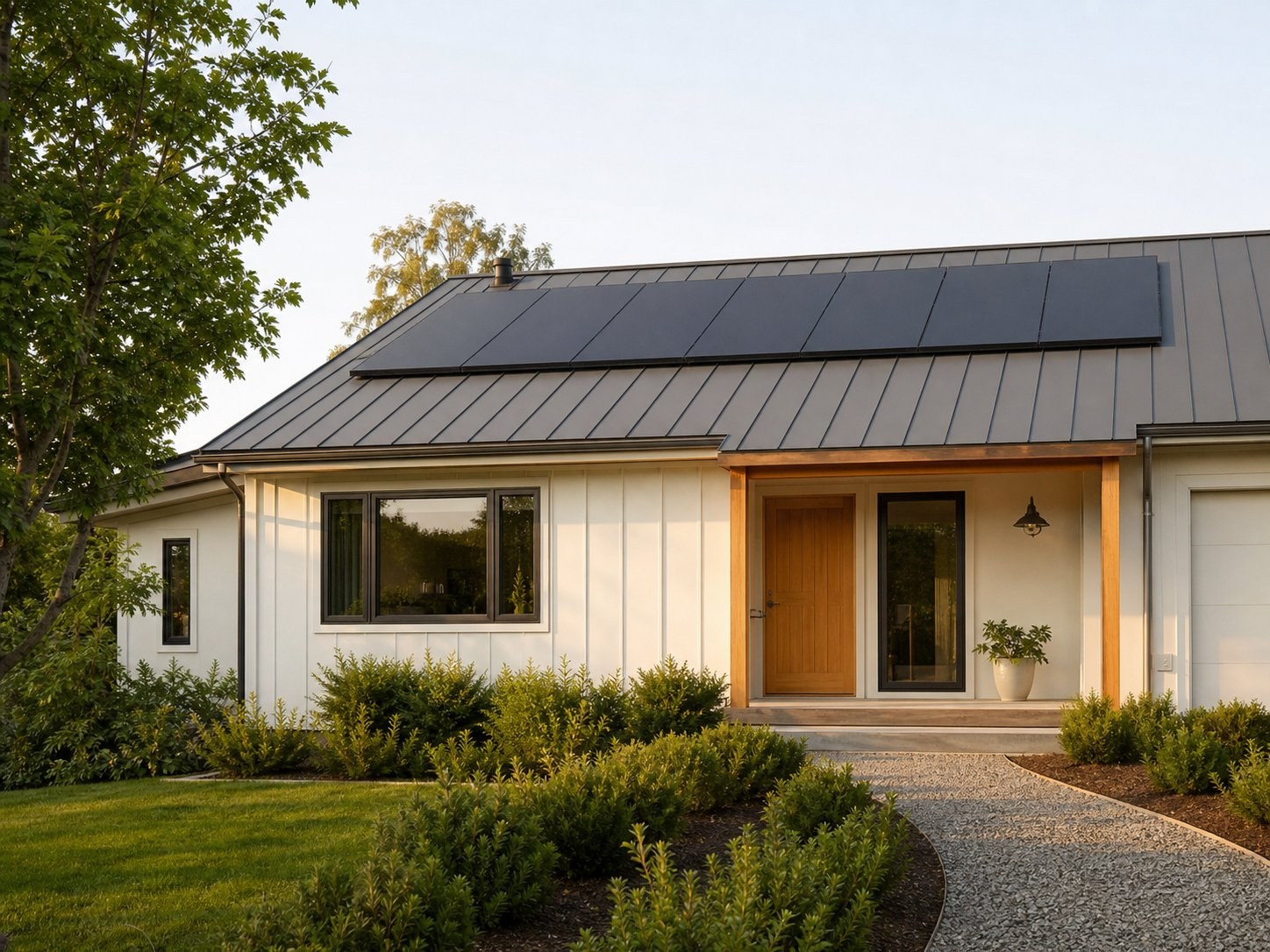
Home solar planning often begins with panels and an estimate. A more useful first conversation looks at the roof underneath the system, the electricity your household uses, and the changes you expect to make. Those foundations can shape whether a proposal is suitable and how the work should be sequenced.
Understand the roof before adding equipment
Ask a qualified roofing professional to assess the existing covering and relevant underlying components. If repair or replacement may be needed, coordinate that discussion with the solar installer before contracts are finalized.
Panel attachments, roof penetrations, access, and future removal can affect both projects. Ask how responsibilities will be divided and how roofing and installation warranties interact. A clear written scope can help avoid assumptions between different providers.
Look at your energy use, not an average household
Gather recent electricity information and consider how your habits may change. New electric appliances, working from home, or vehicle charging can alter the demand pattern. A site-specific assessment should also consider shading, orientation, roof area, and electrical equipment.
Ask the installer to explain the production estimate and the assumptions used. Modeled output is not a guarantee, and financial outcomes depend on more than equipment alone. Utility rates, export arrangements, weather, usage, maintenance, and financing can all matter.
Read the ownership and utility terms carefully
Purchasing a system, borrowing to pay for it, leasing equipment, and entering an energy service agreement can create different obligations. Compare the complete written terms, including ongoing payments, maintenance responsibilities, transfer conditions, and what happens if you sell the home.
Verify current interconnection rules, export arrangements, and any incentives directly with the utility or relevant program administrator. Do not build a budget around an unverified promotional statement or assume that a program is still available.
Ask what happens during an outage
A standard grid-connected solar installation does not necessarily keep the home powered during a grid outage. Backup operation requires compatible equipment and a system designed for that purpose. Batteries also differ in what they can support and for how long under specific conditions.
Tell the installer which loads matter to you and ask for a clear explanation of the proposed backup capability and limitations. Keep electrical and rooftop work with qualified professionals rather than attempting changes yourself.
Make one coordinated plan
Bring roof condition, electrical requirements, equipment choices, approvals, utility arrangements, and installation access together before the work starts. Confirm who handles each part and what could affect the schedule.
Our roofing upgrade and home solar upgrade pages can help you prepare for those conversations. For financing questions, review our home loan and warranty planning information and seek advice suited to your circumstances.
A thoughtful takeaway
Treat the roof and the solar system as connected decisions. Seek a site-specific assessment and verify costs, utility arrangements, and financial assumptions before committing.
This article offers general planning information, not a site-specific assessment or professional advice. Seek appropriately qualified guidance for your home and circumstances.